Pharmacist Story: Getting the Right Medicine the First Time
Patient Story #3
“If we can identify the best medication from the start, why not? It eliminates trial and error and optimises treatment.”— Associate Professor Doreen Tan Su-Yin, Pharmacist, NUHS
Why Pharmacogenomics Matters
Pharmacogenomics (PGx) testing enhances patient safety and treatment efficiency by matching medicines to a person’s genetic profile. Instead of trial-and-error, doctors and pharmacists can prescribe the right drug at the outset, reducing side effects and unnecessary clinic visits.
“When a patient’s genetic profile is known, we can select the most effective medication immediately. Without PGx, some patients experience adverse drug reactions or need multiple follow-ups before the right medication is found.”
A Patient Case: From Breathlessness to Clarity
One heart patient experienced breathlessness on ticagrelor. Traditionally, switching to an alternative drug like clopidogrel would involve months of additional tests and uncertainty. But PGx testing confirmed he could safely switch.
“Pre-emptive testing, that is doing the genetic test in advance — before a patient even needs a prescription — so their results are already in their medical records when they see a doctor could have streamlined the process. If we had known his genetic profile in advance, we would not have needed extra tests, clinic visits, or delays in his recovery.”
How Pharmacists Use PGx
Pharmacists play a central role in explaining results, reassuring patients, and working with doctors.
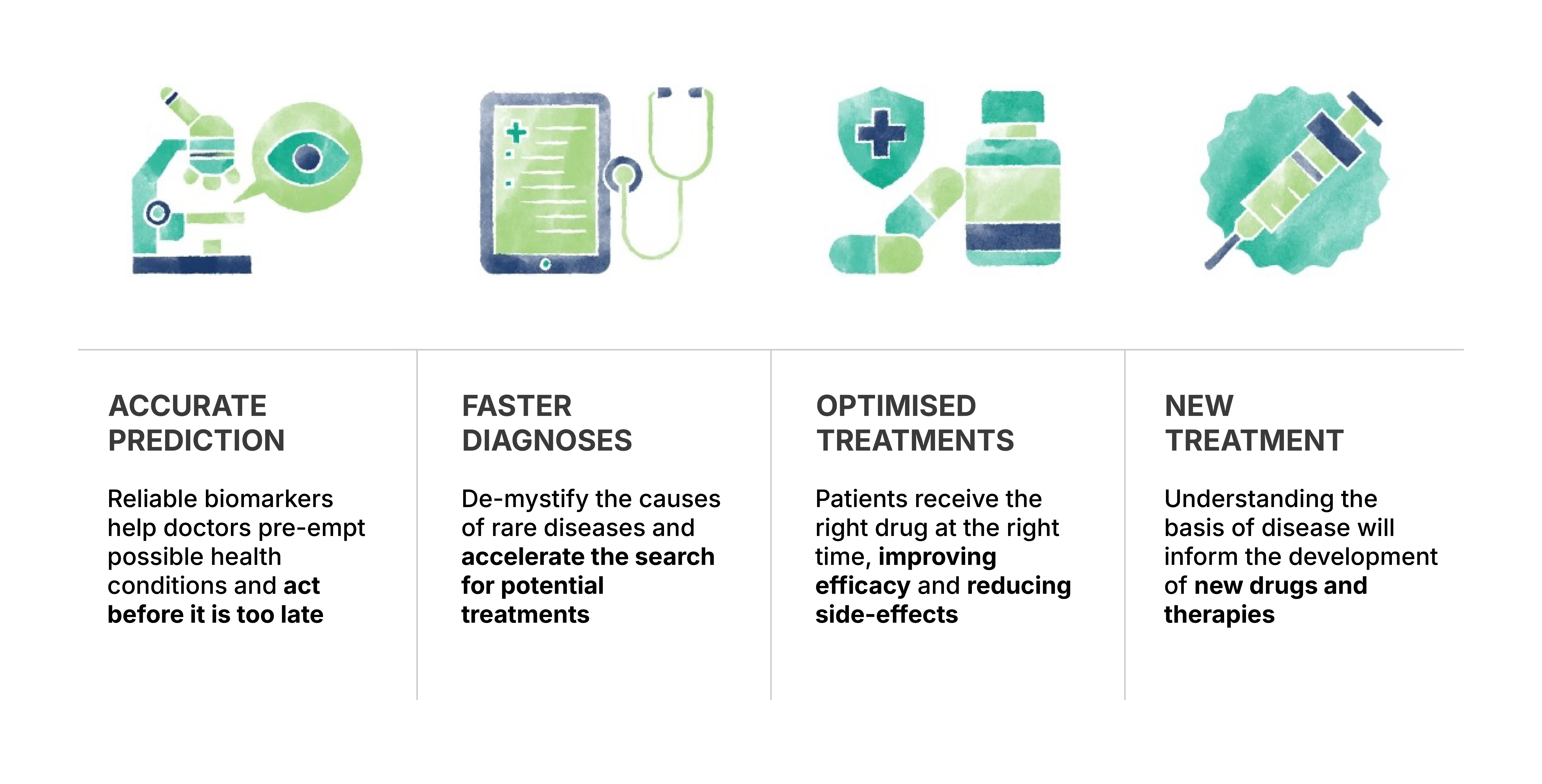
Optimising treatment: Right drug, right dosage from the start.
Saving time: Fewer unnecessary follow-up visits.
Reducing risk: Avoiding adverse drug reactions.
“Ideally, if PGx results were part of a patient’s health record from birth, we could make better prescribing decisions across their lifetime.”
Patient Education & Trust
Most patients are receptive once they understand the value. Cost is less of a barrier when they are offered testing as part of a clinical programme.
“Patients usually trust their doctors and pharmacists. The key is explaining results in simple terms, so they feel empowered.”
The Road Ahead
As Singapore scales up pharmacogenomics, pharmacists will be empowered to safeguard patients more proactively. Integrating PGx into electronic medical records and clinical workflows will ensure doctors and pharmacists have genetic data at the point of care.
“Right now, we only use PGx reactively when there’s a problem. Pre-emptive PGx testing means doing the genetic test in advance — before a patient even needs a prescription — so their results are already in their medical records when they see a doctor. If this were standard, we could optimise treatments earlier, prevent side effects, and likely help to reduce wastage and healthcare costs.”
How can I share my story?
You can email us at contact@precise.cris.sg with a short summary of your experience or interest. Our communications team will follow up with you to guide the process.